How to Buy Land Without Credit and Build Your Rural Dream
I remember sitting at my kitchen table, staring at a credit score that did not reflect my financial reality. I had steady income, a solid down payment saved, and a clear vision of the rural property I wanted. But every bank I spoke to asked for a credit check, and my score did not meet their thresholds. That is when I discovered that you can buy land without credit, and it changed everything.
The traditional path to land ownership assumes you need a perfect credit history and a conventional land loan from a bank. But for many people, especially those looking at rural land for recreation, off-grid living, or homesteading, there is a better route. Owner financing, also called seller financing, lets you bypass the credit score entirely. Instead of borrowing from a financial institution, you make payments directly to the seller under a land contract.
Why Traditional Financing Falls Short for Rural Land
Banks treat raw land and recreational property differently than they treat a house. A conventional mortgage on a home comes with low interest rates and longer terms because the house serves as collateral that is easy for a lender to resell. But a piece of rural land, especially undeveloped land, is harder for a bank to value and liquidate. That means stricter underwriting, higher down payment requirements, and often a demand for private mortgage insurance or other costly add-ons.
Even if your credit is decent, a land loan from a bank may require a down payment of 30 to 50 percent. For someone who wants agricultural land or a tiny house site, that kind of cash requirement can be a deal breaker. And if your credit is less than perfect, the bank will simply say no. That is where owner financing comes in as a practical alternative.
What Owner Financing Really Looks Like
Owner financing is a deal between you and the seller. Instead of the seller handing you the deed and expecting you to get a loan elsewhere, they act as the bank. You agree on a purchase price, a low down payment (often five to fifteen percent), and a monthly payment schedule. The seller holds the title until you pay off the balance, at which point a title company transfers full ownership to you.
This arrangement is often set up as a land contract or contract for deed. The key advantage is that there is no credit check. The seller cares more about your income stability and your willingness to make payments on time. For someone who wants to buy land without credit, this is the most direct path. You do not need to spend years rebuilding your score before you can start living your dream.
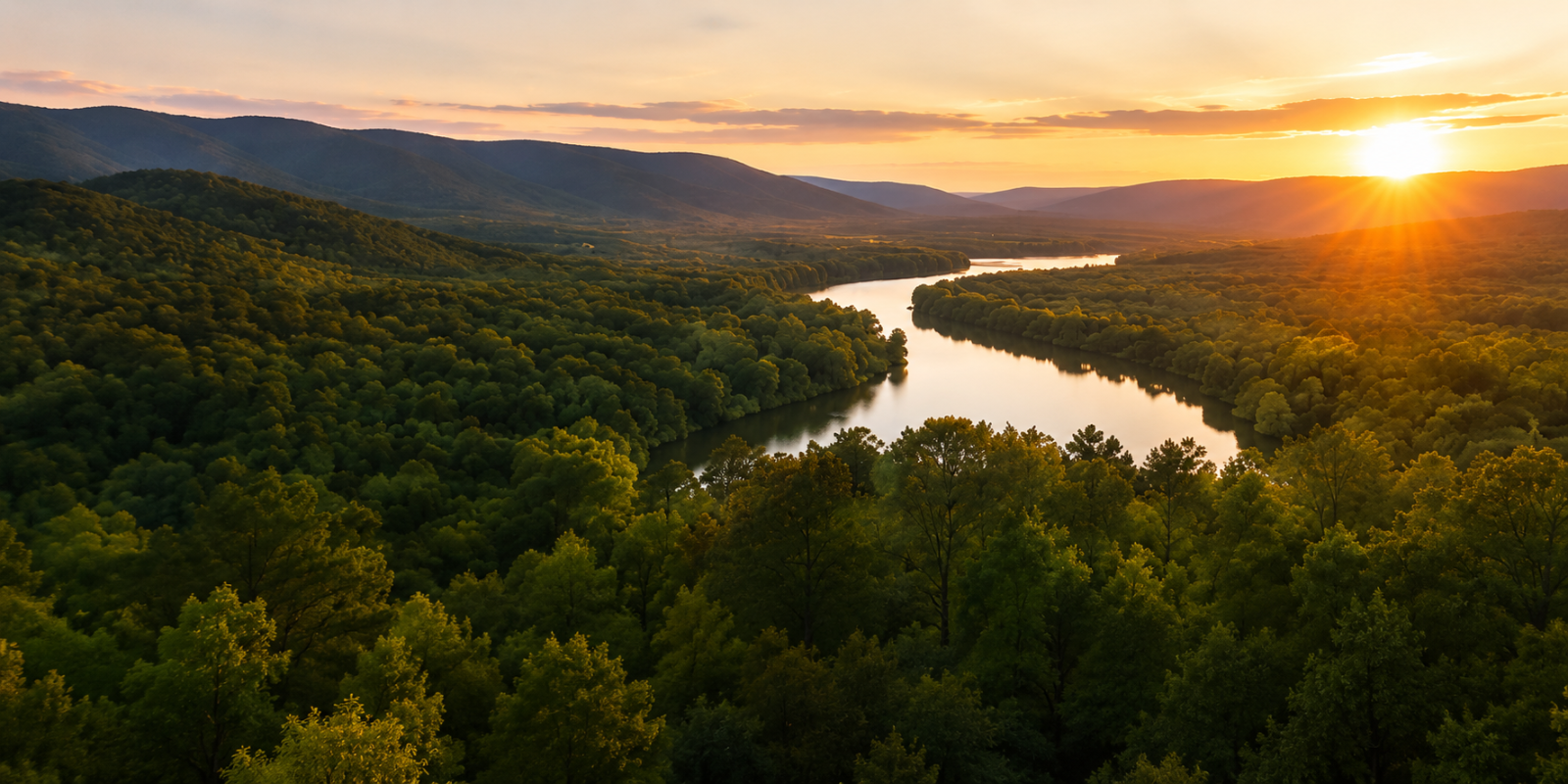
I have seen people use this method to buy everything from a small recreational property for weekend camping to a larger parcel for off-grid living. One friend of mine bought twenty acres of raw land in the Ozarks through a land contract. He put down ten percent, pays the seller directly each month, and has already started building a tiny house. No bank involved, no credit check, no private mortgage insurance.
The Fine Print That Matters
Owner financing is not without its risks and responsibilities. Because the seller retains the legal title until the contract is paid off, you need to make sure the terms are clear and fair. Always work with a title company or a real estate attorney to review the land contract before you sign. You want to confirm that the seller has clear title, that there are no liens or tax issues on the property, and that your payments are credited correctly toward the principal.
Another important point is property taxes. Even though you do not hold the deed, you are usually responsible for paying the property taxes each year. Factor that into your monthly budget. Also, check the zoning laws on the parcel. If you plan to put a tiny house on the land or start homesteading, you need to know that local regulations allow it. Some counties have minimum square footage requirements or restrictions on off-grid systems like composting toilets or solar panels.
A quitclaim deed is sometimes used to transfer the seller's interest, but a warranty deed offers you more protection. Make sure the contract specifies what type of deed you will receive at the end of the payment term. A reputable seller will have no problem with these protections because they want the deal to succeed as much as you do.
Down Payment Assistance and Land Trusts
If you are worried about coming up with a low down payment, there are options beyond your personal savings. Some sellers offer down payment assistance programs where you can pay the down payment in installments before the contract starts. Others may agree to a lower down payment if you show a strong income history. A land trust can also help in certain situations, particularly for agricultural land or conservation-minded buyers. The trust holds the land in trust while you lease or buy it under favorable terms.
But for most people looking to buy land without credit, the simplest route is to find a seller who offers owner financing and has a reputation for fair dealings. Websites like landandcreek.com specialize in this exact model. They list rural land that is available with no credit check and low down payment. You can browse parcels that fit your vision, whether that is a small recreational property near a river or a larger tract for off-grid living.
What to Look for in a Property
Before you commit to a purchase, spend time thinking about what you really want the land for. Are you planning to use it for weekend camping and hunting, or are you looking at a long-term homesteading project? If you want to build a tiny house, you need a parcel that allows residential construction and has access to water. If you are interested in agricultural land, check soil quality and water rights.
Here are a few practical steps to take before signing any land contract:
- Visit the property in person, not just through photos or satellite images.
- Talk to neighbors or local county officials about the area and any planned developments.
- Walk the boundaries and look for encroachments or easements that could affect your use.
- Get a land survey if the boundaries are not clearly marked.
- Ask the seller for a recent property tax statement and any HOA or association fees.
These steps may sound basic, but I have seen buyers skip them and later regret it. One person I know bought rural land through owner financing only to discover that a neighbor had an easement right through the middle of the parcel. Another found out after closing that the county had strict zoning laws that prevented the off-grid cabin they had planned. A little due diligence upfront saves years of frustration.
Building a Legacy Without a Bank
There is something deeply satisfying about owning land that you paid for through a direct agreement with the seller. It feels less like a financial transaction and more like a partnership. You are both invested in the outcome. The seller wants to see you succeed because a defaulted contract means they get the land back and have to start over. So they are often more flexible if you hit a rough patch, as long as you communicate honestly.
For me, the ability to buy land without credit was the key that opened a door I thought was locked. I now own a small recreational property in the foothills. It is not a mansion or a sprawling farm. It is thirty acres of timber and creek, with a clearing where I plan to build a tiny house someday. I got it through owner financing with a ten percent low down payment and no credit check. Every month I send a check to the previous owner, and he sends me a receipt. It is simple, direct, and it works.
Final Thoughts on the Process
If you have been dreaming of owning rural land but feel held back by your credit history, know that there is a path forward. You do not have to wait for a bank to approve you. You do not have to pay private mortgage insurance or scramble for down payment assistance programs that may not fit your situation. You can negotiate directly with a seller and set terms that work for both of you.
Just remember to do your homework. Understand the land contract inside and out. Check the zoning laws, property taxes, and any restrictions. Work with a title company to ensure clean transfer at the end. And choose a seller who has a track record of honest dealing. When you find the right piece of rural land and the right financing arrangement, the whole process feels natural, not forced.
That is the real value of learning how to buy land without credit. It puts the power back in your hands. You get to define what owning land means for you, whether that is a weekend escape, a full-time off-grid home, or a legacy parcel to pass down to your kids. The banks do not have to be part of the story.